
Eyebrow Micropigmentation: The Ultimate Perth Guide 2026
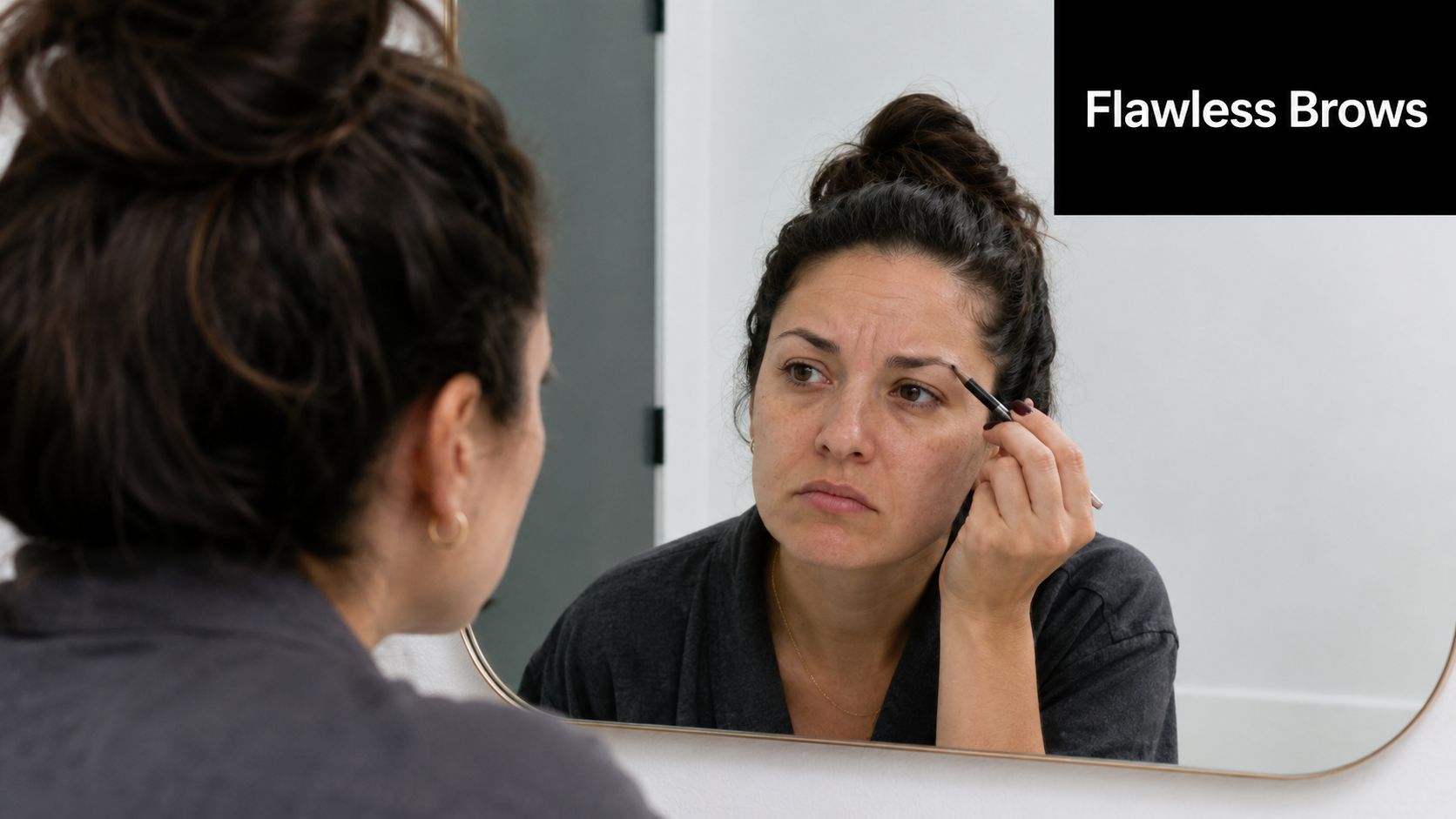
Some mornings it's the same routine. You fill in the tails, even out the arch, step back from the mirror, then realise one brow still sits higher than the other. If your natural brows are sparse, patchy, over-plucked, or thinning from hair loss, makeup can feel like a daily correction job rather than a finishing touch.
That's usually the point where people start looking at eyebrow tattooing and run into a confusing mess of terms. Microblading. Nano brows. Cosmetic tattooing. Eyebrow micropigmentation. In Perth, where oily skin, sun exposure, and active lifestyles can all affect healed results, those differences matter more than most online guides admit.
What Is Eyebrow Micropigmentation
Eyebrow micropigmentation is a cosmetic tattooing technique that places specialised pigment into the skin to create fuller, more defined brows. Done well, it can mimic soft density, improve shape, rebuild missing tails, and restore balance without the heavy look of drawn-on makeup.
Why so many people are considering it
Brows aren't a small detail. They change how the whole face reads. That helps explain why the eyebrow segment is projected to hold 37.54% of the permanent makeup market in 2026, with social media trends helping drive demand, and why the global micropigmentation market is forecast to grow from USD $118.87 million in 2026 to USD $217.92 million by 2034 according to Straits Research's micropigmentation market analysis.
For the client, though, the appeal is simpler. You want brows that look organised when you wake up, still look right after the gym, and don't disappear by lunchtime.
What it looks like in practice
The best way to think about eyebrow micropigmentation is as a refined brow enhancement, not a one-size-fits-all tattoo. Shape, colour, depth, and density are adjusted to your features, skin, and existing brow hair. A good result doesn't scream “done”. It just makes your face look more balanced.
If you're comparing broader age-related beauty options, some readers also find it useful to look at approaches to cosmetic tattooing for women 30+, especially when concerns include fading brows, softer facial definition, and reducing daily makeup time.
Practical rule: If a brow treatment is described as if everyone should have the same shape or the same technique, that's a warning sign.
Some people also come across scalp services while researching brow density. If you want a quick explanation of how pigment-based restoration works in another area, this guide on what is scalp micropigmentation gives useful context.
The Difference Between Micropigmentation and Microblading
The biggest mistake clients make isn't wanting better brows. It's assuming microblading and micropigmentation are basically the same thing. They're not.
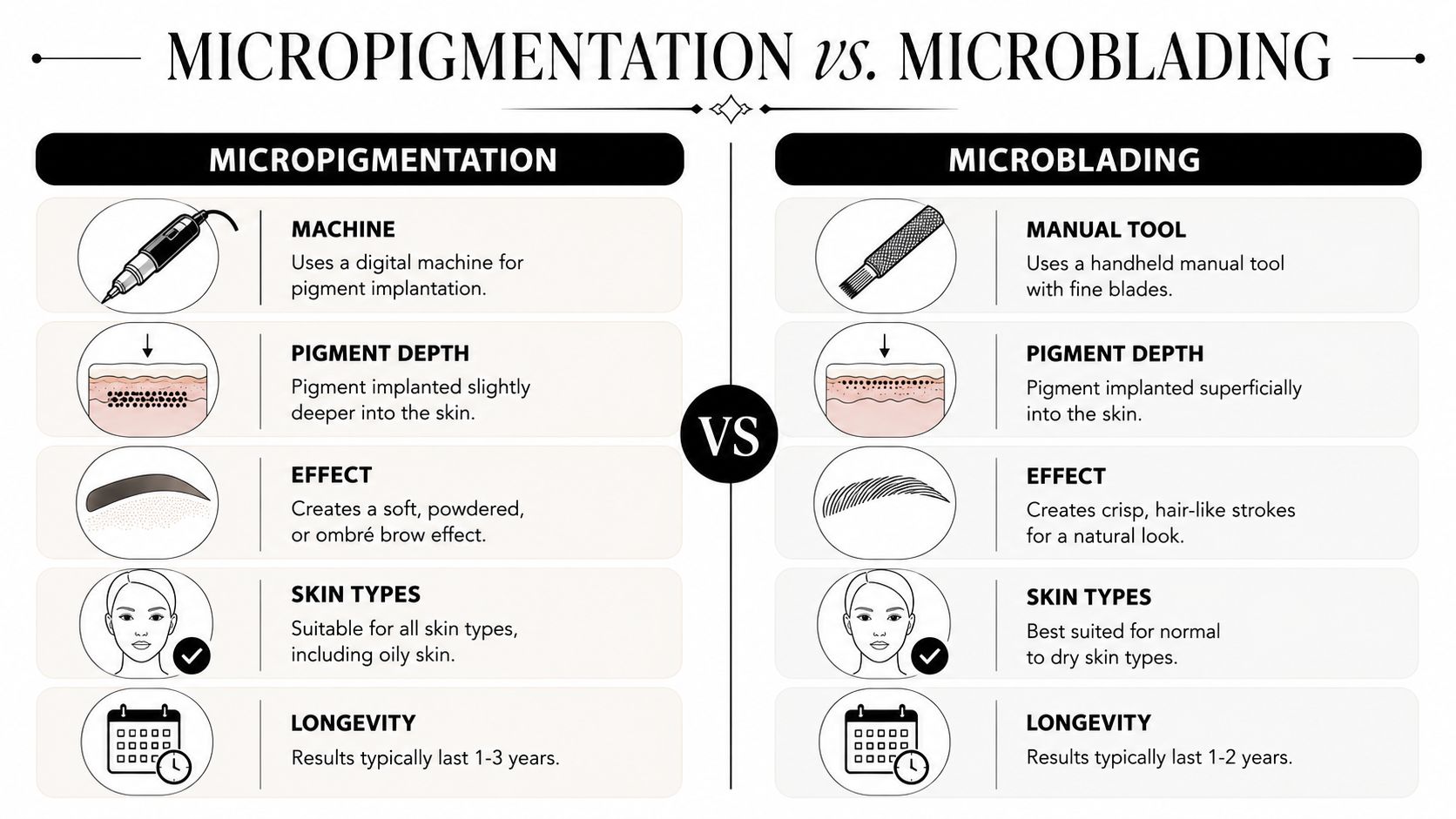
Microblading uses a handheld blade to create fine incisions that hold pigment. Eyebrow micropigmentation uses a machine-based device with a single needle to implant pigment in a more controlled way. That technical difference changes how the brow heals, how long it lasts, and which skin types it suits best.
The easiest way to picture it
Microblading is like a calligraphy pen. On the right surface, it can look crisp and beautiful. But if the “paper” is oily, textured, mature, or scarred, those strokes can blur, spread, or fade unevenly.
Micropigmentation is closer to a high-resolution digital printer. It builds the brow through controlled pixel-like placement, allowing softer gradients, better layering, and a result that usually ages more predictably on challenging skin.
That's why this distinction matters so much in Australia. The Oh My Brow industry warning notes that microblading often lasts only 8 to 10 months, while micropigmentation typically lasts 18+ months and is explicitly recommended for clients with alopecia, chemotherapy scarring, or the oily skin common in Perth.
Micropigmentation vs Microblading at a Glance
| Feature | Eyebrow Micropigmentation (Nano Brows) | Microblading |
|---|---|---|
| Tool | Machine-based device with a single needle | Handheld manual blade |
| Technique | Controlled pigment placement in small deposits | Fine cuts made to mimic hair strokes |
| Best visual effect | Soft density, powdery definition, natural structure | Crisp hair-like strokes when skin is suitable |
| Skin suitability | Broadly suitable, especially when skin is oily, mature, or compromised | Better suited to normal or dry skin |
| Longevity | Typically longer lasting | Often fades sooner |
| Best use cases | Brow restoration, sparse brows, hair loss, long-term shape work | Clients wanting stroke-focused detail on ideal skin |
Why Perth clients need to be more selective
Perth skin isn't one thing, but many clients here deal with oilier skin, heat, outdoor exposure, or previous beauty work that has changed the skin surface. That's where machine work often gives the safer and more stable result.
A lot of disappointing brow work starts with the wrong technique selection, not necessarily bad intentions. Someone sees beautiful fresh microbladed strokes online, books the same treatment, then finds their own skin doesn't hold it cleanly.
The prettiest fresh brow isn't always the best healed brow.
When microblading can still work
Microblading isn't automatically wrong. On the right person, with the right skin and realistic expectations, it can heal well. But “can work” is not the same as “best option”.
If your skin is oily, your brows are sparse from hair loss, or there's scarring in the area, eyebrow micropigmentation is often the smarter call because it prioritises healed performance over trend appeal.
The Eyebrow Micropigmentation Process and Healing
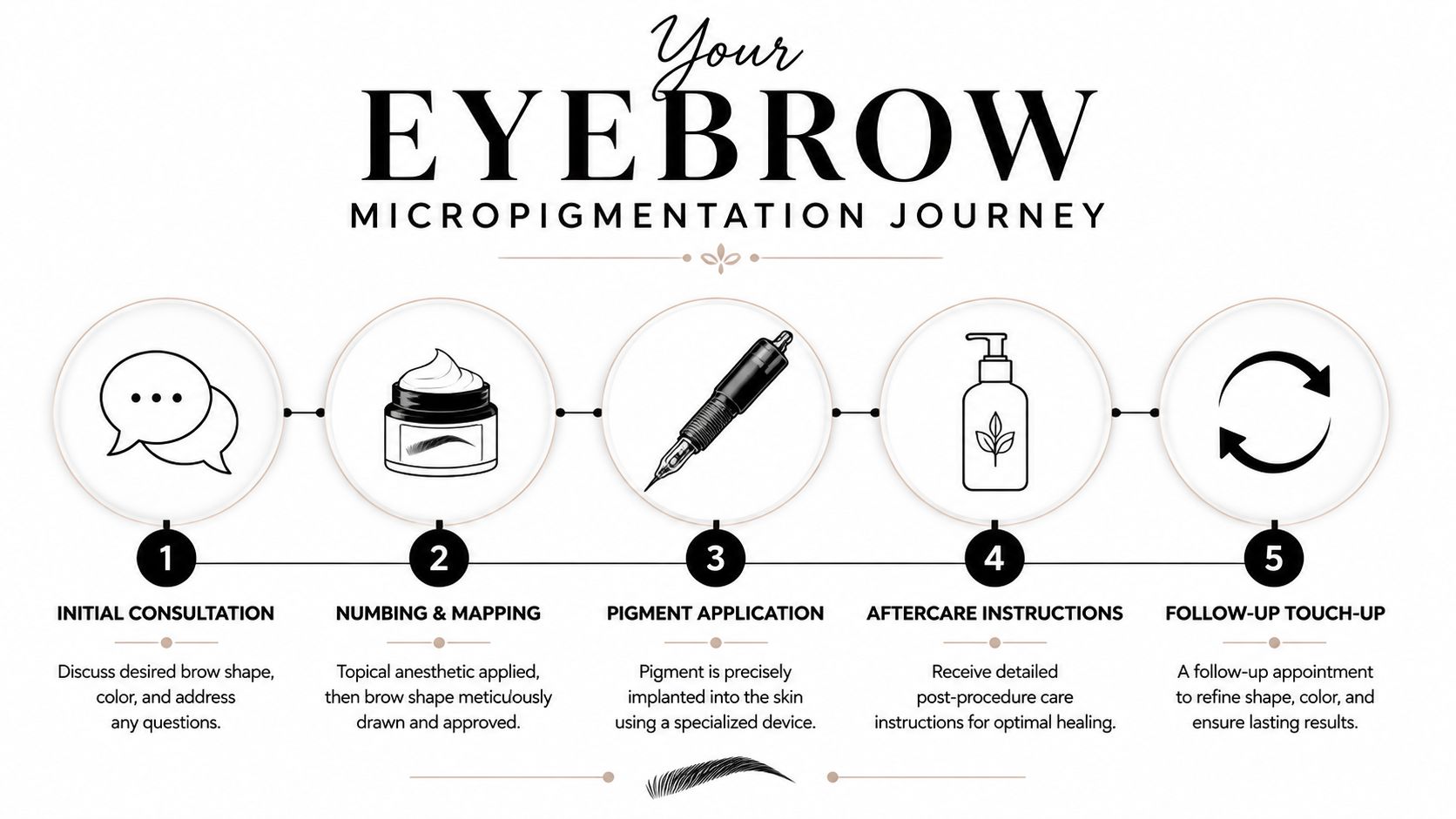
Clients typically feel more comfortable once they know what happens at the appointment. Good eyebrow work isn't rushed. It follows a sequence, and every step affects the healed result.
What happens in the chair
The appointment usually starts with consultation and design. Brow shape is mapped to your facial structure, natural asymmetries are discussed openly, and pigment choice is based on your skin tone, hair colouring, and how softly or strongly you want the final result to read.
After that comes numbing and the procedure itself. The machine implants pigment in careful passes rather than one heavy application. That controlled build is one reason micropigmentation can look softer and more wearable once healed.
To get a visual feel for technique and pacing, this treatment video gives a useful overview:
What healing usually feels like
The ABC guide to microblading and eyebrow tattooing notes that the initial healing period is 7 to 10 days. During that time, clients should avoid aspirin, ibuprofen, and alcohol because inflammation can contribute to swelling and pigment migration. The same source notes that in Australia, pigments must meet Therapeutic Goods Administration standards, which is part of why reputable practitioners use cosmetic-grade pigment rather than standard body tattoo ink.
A normal healing pattern often looks like this:
- Days 1 to 2: Brows appear darker, sharper, and slightly swollen.
- Days 3 to 5: The surface starts to settle. Some tightness and dryness are common.
- Days 5 to 7: Light flaking can occur. Many people often become nervous at this point, thinking the pigment is disappearing.
- Days 7 to 10: The skin begins to smooth out and the colour softens.
- After healing: The true result is more natural than the fresh result. Refinements, if needed, are usually handled at a follow-up appointment.
What clients often get wrong
The most common aftercare mistake is interfering with the brow while it heals. Picking, scrubbing, over-moisturising, heavy sweating, and “testing” the area all increase the chance of uneven retention.
Another mistake is expecting fresh brows and healed brows to look identical. They won't. Fresh work is bolder because the skin is open and the pigment sits more visibly at the surface.
If you'd like a practical example of how cosmetic pigment healing changes day by day in a related treatment area, this scalp micropigmentation healing timeline day by day guide helps explain why patience matters.
Healing is part of the treatment, not the waiting room between appointments.
Who Can Benefit from Eyebrow Micropigmentation
Some clients come in because they're tired of drawing their brows on. Others come in because they barely have brows left. Both can be good candidates, but for different reasons.
The strongest clinical justification is broader than cosmetics alone. According to the PMC review on microblading and related procedures, cosmetic reasons account for 58.5% of demand, while eyebrow hair loss accounts for 18.7%. That matches what practitioners see every week. Some people want shape and symmetry. Others need visible restoration.
People who often suit it well
Eyebrow micropigmentation can be especially helpful for:
- Sparse or uneven natural brows from over-plucking, ageing, or naturally light brow hair.
- Hair loss conditions where the goal is to restore a believable brow outline and visible density.
- Busy professionals and parents who want to cut down the daily makeup routine.
- Clients with asymmetry who want a more balanced frame around the eyes.
- People who don't tolerate traditional brow makeup well, especially in heat or humidity.
For readers exploring other appearance-restoration options, this article on who can benefit from hair tattoos is useful because it shows how pigment work can support confidence in different ways.
When it may need to wait
A responsible practitioner doesn't treat every person who asks. Some situations need a delay, a doctor's clearance, or a different solution entirely.
The main caution areas include:
- Pregnancy or breastfeeding, because this period is specifically advised against in the clinical guidance.
- Active skin irritation or infection in the brow area.
- A history that raises healing concerns, including issues that need proper medical discussion before tattooing.
- Clients chasing someone else's brow instead of a shape that suits their own face and skin.
If your main goal is fuller-looking natural hair rather than cosmetic tattooing, some people first try topical care, grooming changes, or growth-focused routines to achieve denser brows. That can be a sensible step if your brow loss is mild. If the problem is significant patchiness, scarring, or long-term hair loss, eyebrow micropigmentation is often the more realistic path.
The real question to ask
Don't ask only, “Can I get it done?” Ask, “Will this technique suit my skin, my history, and the result I want to live with every day?”
That's the question that leads to better brows.
Weighing the Benefits and Risks of Your New Brows
Eyebrow micropigmentation can be one of the most satisfying cosmetic treatments because it solves a daily frustration in a visible way. You don't have to redraw shape every morning. You don't lose definition after a swim, a workout, or a hot day. Your face keeps its frame with less effort.
Those are real benefits, but they're only half the story. Brow tattooing also involves skin penetration, pigment choice, infection control, and long-term design decisions. That's why the safest mindset is to treat it like a procedure, not an impulse beauty booking.
What makes it worth doing
For the right person, the benefits are practical and personal:
- Time back each morning because the structure is already there.
- More dependable symmetry than can be created freehand with makeup.
- Smudge-resistant wear through normal daily life.
- A clearer frame for the face, especially when natural brows have become sparse.
Brows also tend to influence confidence in a quiet way. People often can't name exactly what changed. They just notice the face looks fresher, more balanced, or more awake.
What can go wrong
The clinical risks include allergic reactions, scarring, granulomas, and infection. There's also the aesthetic risk of poor shape selection, unsuitable pigment, or technique that doesn't match the skin.
Some of the worst outcomes don't happen because the procedure itself is unsafe. They happen because corners were cut before the machine ever touched the skin.
The Elka Clinic guide to Australian eyebrow tattoo requirements notes that Australian practitioners must hold the SHBBINF001 infection control certificate and their premises must be registered for skin penetration with the local council. It also makes clear that there's no specific government-recognised qualification for micropigmentation itself, so these broader cosmetic tattooing credentials matter.
Worth remembering: Fancy branding doesn't replace infection control, proper records, or a council-approved premises.
If you've ever looked at disappointing pigment work in another treatment category, this article on scalp micropigmentation regrets highlights a similar pattern. Regret usually starts with poor practitioner choice, unrealistic expectations, or treatment pushed on the wrong candidate.
The long-term view
Good brows aren't “set and forget”. They fade gradually and may need refreshing over time to keep the shape crisp and the colour balanced. That isn't a downside so much as part of responsible cosmetic tattooing. Styles change, faces mature, and pigment should soften rather than sit harshly forever.
The right treatment plan focuses on long-term satisfaction, not the boldest immediate result.
How to Choose Your Practitioner in Perth
If you're in Perth, don't choose your brow artist by fresh Instagram photos alone. Fresh work can hide a lot. Swelling, strong pigment, and perfect lighting don't tell you how the brow will sit once healed.
Ask for healed results. Ask what skin types those clients had. Ask how the practitioner decides between microblading and eyebrow micropigmentation rather than assuming one technique suits everyone.
A short Perth checklist
Use this before you book:
- Check credentials first. The practitioner should be able to explain their infection control training and how their premises meet local skin penetration requirements.
- Ask to see healed brows. Fresh results are not enough. You want to know how shape, softness, and colour settle.
- Pay attention to the consultation. A proper practitioner takes a medical history, discusses contraindications, and doesn't rush you into a same-minute decision.
- Listen to their judgement. If your skin isn't suited to one method, they should say so plainly.
- Look at hygiene standards in the room. If you're not sure what clean practice looks like in beauty services generally, this guide on choosing a clean waxing studio gives a useful consumer checklist.
One more thing that matters
Training quality shows up in the details. Brow design, needle control, pigment choice, and client screening all come from proper education and disciplined practice, not just a short trend course. If you want to understand the standards behind better cosmetic work, this overview of cosmetic tattoo training in Perth is worth reading.
The best practitioner won't sound like a salesperson. They'll sound calm, precise, and willing to tell you when not to proceed.
Your Eyebrow Micropigmentation Questions Answered
Does it hurt
Most clients describe it as manageable rather than severe. Numbing is typically part of the appointment, and the sensation is usually more of a repetitive scratching or vibrating discomfort than sharp pain. Anxiety before the appointment is often worse than the treatment itself.
How do you choose the right shape
The shape should come from your bone structure, facial balance, natural brow position, and the way you wear your makeup, if you wear it at all. A good brow map respects natural asymmetry rather than trying to force a copied template onto your face.
If you ask for a shape that doesn't suit your features, an experienced practitioner should push back and explain why.
How is the colour matched
Colour selection isn't just “light brown” or “dark brown”. It needs to account for your skin tone, undertone, existing hair colour, and how the pigment is expected to heal. The aim is a shade that settles softly and naturally, not a flat block of colour.
Can old microblading be covered
Sometimes yes, sometimes no. It depends on how much old pigment is still visible, whether the previous shape sits in the right place, and whether the skin has healed smoothly. Some old work can be blended into a better brow. Other cases need removal or fading first.
Will it look too dark at first
Usually, yes. Fresh brows commonly look darker and more defined than the healed result. That early boldness doesn't mean something has gone wrong. It's part of the normal healing cycle.
Is eyebrow micropigmentation a good option for hair loss
Often, yes. It can be especially valuable when natural brow hair is sparse or missing and pencils no longer give a believable effect. In those cases, the goal isn't just beauty. It's restoration.
What matters most before booking
The single biggest decision is who performs the work. Shape can be adjusted, colour can be refreshed, and style can be refined over time. Poor judgement at the start is much harder to fix than is commonly understood.
Choose the practitioner the way you'd choose any person working on your face. Slowly, carefully, and with proof.
If you're considering eyebrow micropigmentation and want advice grounded in realism, safety, and natural-looking results, My Transformation is a strong place to start. Michael works with men and women across Western Australia on appearance-restoration treatments, with a focus on thoughtful consultation and long-term confidence rather than rushed cosmetic decisions.