
The Top 10 Best Hair Loss Treatments for Women: An Expert Guide for 2026
Navigating the world of hair loss solutions can be overwhelming, with countless products and procedures all promising remarkable results. For women, the emotional toll of thinning hair adds another layer of complexity, making it crucial to find treatments that are not only effective but also suited to individual needs, hair types, and lifestyles. The journey to addressing hair thinning isn't just about aesthetics; it's about regaining confidence and feeling like yourself again. Understanding the specific factors behind your hair loss is a critical first step. For a deeper dive into the triggers, exploring resources on what causes female hair loss and how to stop it can provide foundational knowledge to better inform your treatment choices.
This guide is designed to cut through the noise and eliminate the confusion. We've created a comprehensive, straightforward roundup of the best hair loss treatments for women available today, from immediate cosmetic enhancements to long-term medical and procedural solutions. Forget wading through dense medical journals or marketing jargon; we present clear, actionable insights into ten leading options.
Inside this listicle, you will discover:
- How each treatment works, explained in simple terms.
- Real-world effectiveness and what results you can realistically expect.
- Typical costs in Australia, potential side effects, and recovery times.
- Who it’s best for, matching treatments to specific types of female pattern hair loss.
Our goal is to empower you with the detailed information needed to have a productive conversation with a specialist and make an informed decision. Whether you're considering proven medical therapies like Minoxidil, innovative procedures like Platelet-Rich Plasma (PRP), or cosmetic solutions like Scalp Micropigmentation (SMP), this guide will help you find the right path forward on your journey to restoring your hair and self-assurance.
1. Scalp Micropigmentation (SMP) / Hair Tattoo
Scalp Micropigmentation, often called a hair tattoo, is a sophisticated, non-invasive cosmetic procedure that creates the illusion of thicker, fuller hair. Unlike a traditional tattoo, SMP uses specialised micro-needles to deposit tiny dots of pigment into the dermal layer of the scalp. These dots meticulously replicate the appearance of individual hair follicles, effectively camouflaging areas of thinning and reducing the visible contrast between the scalp and hair.
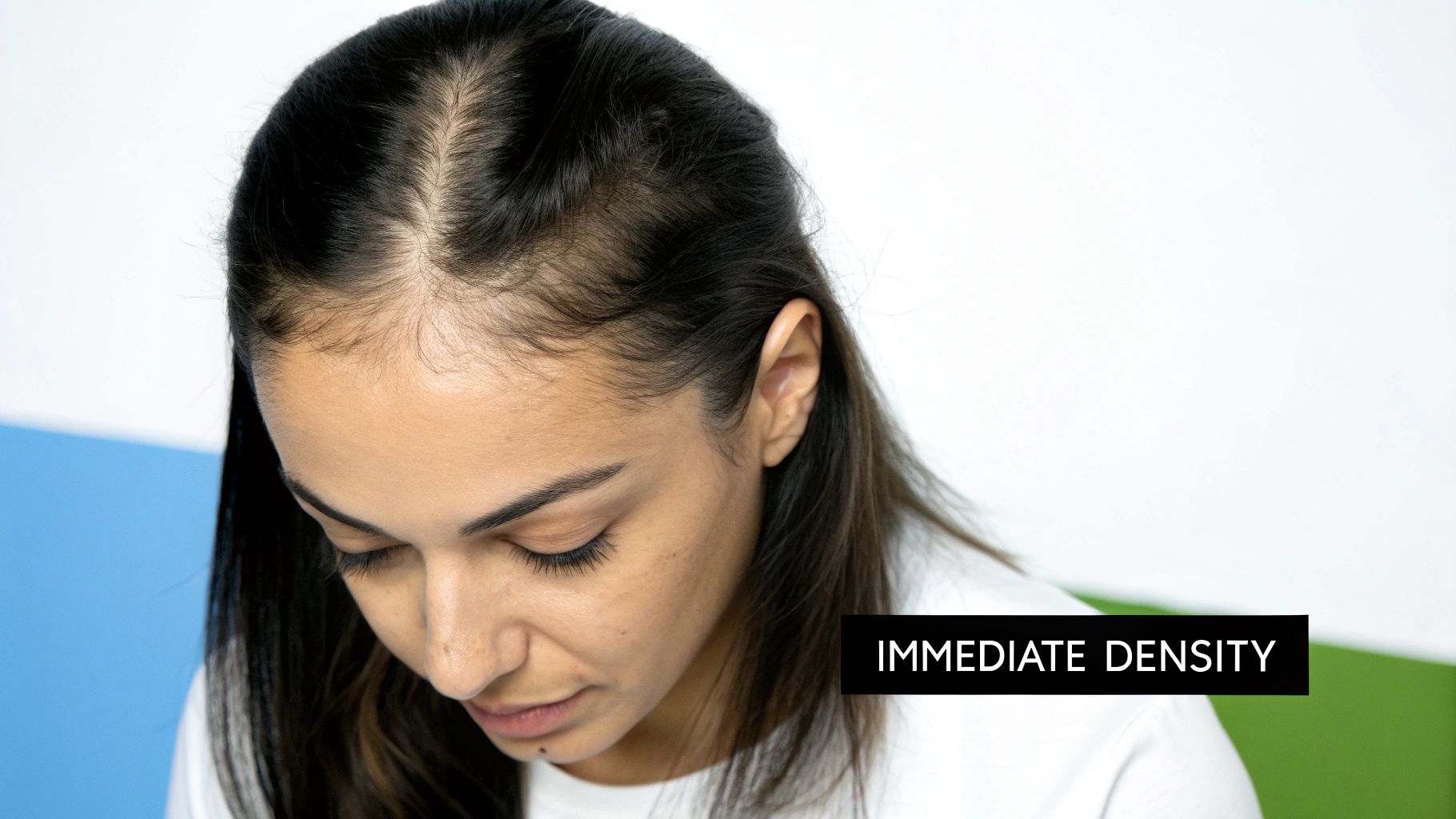
For women experiencing diffuse thinning, a widened part, or patchy loss from conditions like androgenetic alopecia, SMP is a powerful solution. It masterfully adds visual density to the existing hair, resulting in an immediate and significant cosmetic improvement. This makes it one of the most effective and instant best hair loss treatments for women seeking confidence without invasive surgery.
Why Choose SMP?
SMP is ideal for women who are not candidates for hair transplants, desire an immediate result, or want a low-maintenance solution to conceal thinning. It’s particularly effective for camouflaging thinning at the crown and along the parting line, restoring a look of fullness that can be life-changing. The treatment doesn't grow hair, but it expertly conceals the loss.
Actionable Steps for Success
To ensure you get the best and most natural-looking results from SMP, follow these key steps:
- Find a Specialist: Book a consultation with a certified SMP technician who has a strong portfolio of female clients. Look for a specialist clinic, such as Western Australia’s renowned My Transformation, to ensure high standards.
- Plan Your Sessions: Optimal density is typically achieved over 2-3 sessions, each spaced 7-10 days apart.
- Follow Aftercare: Proper aftercare is crucial for pigment longevity. Avoid sun exposure on the scalp for two weeks post-treatment and refrain from swimming or intense exercise for at least 48 hours.
- Protect Your Pigment: Long-term, always apply a high-SPF (50+) sunscreen to your scalp when outdoors to prevent the pigment from fading.
Key Insight: The success of SMP for women lies in the practitioner's skill in creating a soft, natural-looking "shadow" effect beneath the existing hair, rather than a harsh, defined hairline. This nuanced approach is vital for achieving an undetectable result.
This treatment provides a durable, waterproof, and smudge-proof solution that empowers women to regain their confidence with minimal fuss. To explore this option further, you can learn more about how scalp micropigmentation can help female hair loss and see real-world results.
2. Minoxidil (Rogaine) for Women
Minoxidil, widely known by the brand name Rogaine, is one of the most recognised and scientifically-backed topical treatments for female pattern hair loss. As an over-the-counter medication, it's a highly accessible option for women experiencing androgenetic alopecia. It functions as a vasodilator, meaning it widens blood vessels to improve blood flow to the hair follicles. This process helps to reactivate and revitalise shrunken follicles, extending their growth phase (anagen phase) and promoting the growth of thicker, healthier hair over time.
For women with diffuse thinning across the scalp or a widening parting, minoxidil offers a proven, non-invasive way to slow down hair shedding and stimulate regrowth. It is available in 2% and 5% topical solutions or foams specifically formulated for female use, making it a cornerstone among the best hair loss treatments for women looking for an at-home solution.
Why Choose Minoxidil?
Minoxidil is an excellent first-line defence for women in the early to moderate stages of genetic hair loss. It is ideal for those seeking a medically-approved treatment they can administer themselves without clinic visits. While it requires long-term commitment to maintain results, its effectiveness in slowing loss and encouraging new growth is well-documented, making it a reliable choice for many.
Actionable Steps for Success
To maximise the benefits of Minoxidil and achieve the best possible outcome, follow these essential steps:
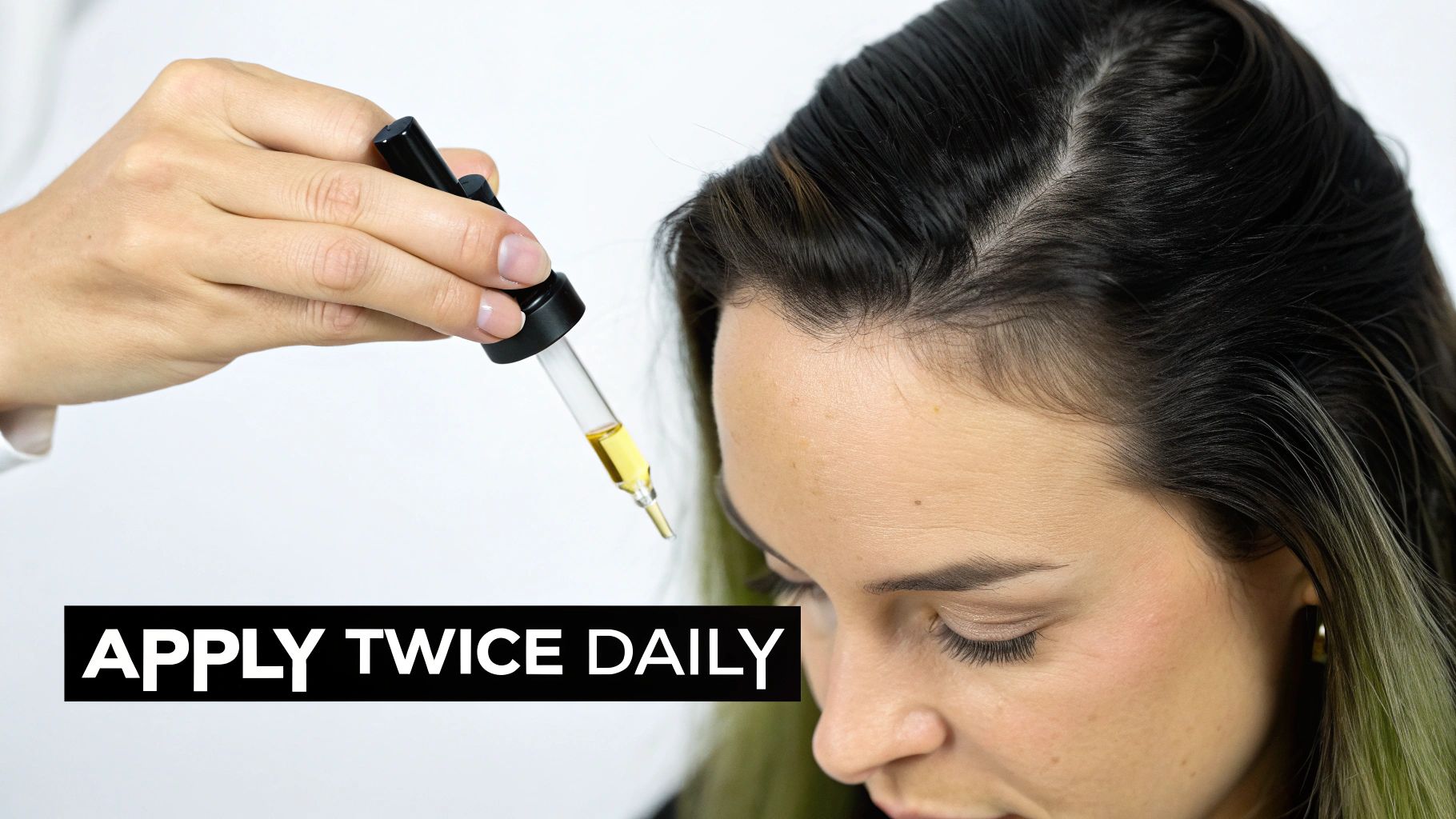
- Be Consistent: Apply the recommended dose (typically 1ml) directly to a dry scalp twice daily. Consistency is the most critical factor for success; skipping applications will diminish its effectiveness.
- Commit to the Process: You must use Minoxidil for at least four to six months before expecting to see noticeable regrowth. Initial shedding can occur in the first few weeks, which is a normal sign the treatment is working.
- Ensure Proper Application: Use the dropper or nozzle to apply the product directly to the scalp in the thinning areas, not just on the hair. Gently massage it in and let it dry completely.
- Consult a Professional: Speak with a dermatologist or GP before starting to confirm your type of hair loss is suitable for Minoxidil and to discuss any potential side effects.
Key Insight: Minoxidil works by stimulating the follicle itself, not by addressing the hormonal cause of hair loss. For this reason, results are only maintained for as long as you continue to use the product. Stopping treatment will likely lead to a reversal of any gains within a few months.
This treatment can be a powerful standalone solution or used to enhance the results of other procedures. For instance, many find value in understanding if they can combine Minoxidil with SMP for a dual approach that both encourages regrowth and provides instant cosmetic density.
3. Low-Level Laser Therapy (LLLT) / Laser Hair Caps
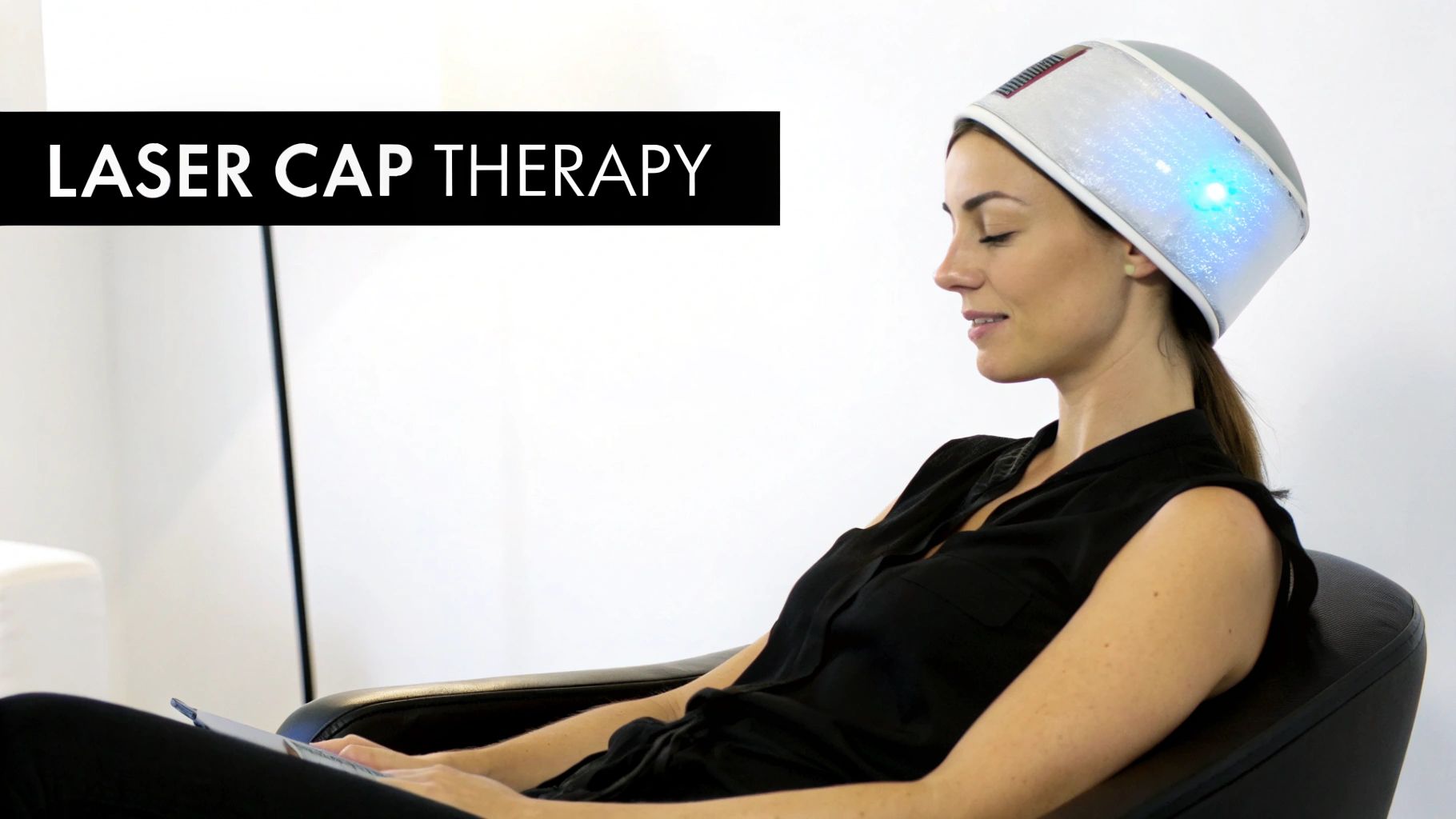
Low-Level Laser Therapy, often delivered through convenient at-home devices like laser hair caps, is a non-invasive, pain-free treatment that uses clinical-strength light energy to stimulate hair follicles. This technology emits red light at specific wavelengths (typically 650-680nm), which penetrates the scalp to reach the base of the follicles. The light energy is absorbed by the cells, boosting their metabolic activity and promoting blood flow, which helps revitalise dormant follicles and extend the hair's natural growth phase.
This treatment is a scientifically-backed option for women with androgenetic alopecia (female pattern hair loss) and other forms of diffuse thinning. By energising the follicles at a cellular level, LLLT can lead to increased hair count, improved hair thickness, and a significant reduction in shedding. This makes it one of the best hair loss treatments for women looking for a safe, drug-free method to support natural hair regrowth and maintain density.
Why Choose LLLT?
LLLT is an excellent choice for women seeking a proactive and low-maintenance treatment they can perform in their own home. It is ideal for those in the early to moderate stages of hair loss who want to slow progression and improve hair quality without chemicals or medication. It can also be effectively combined with other treatments like minoxidil or PRP to enhance overall results.
Actionable Steps for Success
To maximise the benefits of LLLT and achieve visible improvements, follow these essential steps:
- Select an FDA-Cleared Device: Ensure the laser cap or device you choose is cleared by the FDA or equivalent regulatory bodies. This clearance confirms its safety and efficacy based on clinical trials.
- Be Consistent: Success with LLLT depends entirely on consistent use. Follow the manufacturer's recommended schedule, which is typically 20-30 minutes, 3-4 times per week.
- Track Your Progress: Take clear, well-lit photos of your scalp and part line every month from the same angle. This will help you objectively monitor changes in density over time.
- Combine Therapies: For potentially enhanced results, speak with your dermatologist about using LLLT alongside a topical treatment like minoxidil or in-clinic procedures.
Key Insight: The power of LLLT is cumulative. It's not a quick fix, but a long-term therapy that works by gradually reawakening follicles and improving the scalp environment. Patience and consistency over at least 6-12 months are critical for seeing meaningful results.
4. Platelet-Rich Plasma (PRP) Therapy
Platelet-Rich Plasma (PRP) therapy is a cutting-edge, non-surgical treatment that uses your body's own healing properties to stimulate hair growth. The procedure involves drawing a small sample of your blood, processing it in a centrifuge to concentrate the platelets, and then injecting this platelet-rich plasma directly into the scalp in areas of thinning. These platelets release powerful growth factors that help regenerate dormant hair follicles and prolong the active growth phase of the hair cycle.
For women suffering from androgenetic alopecia (female pattern hair loss) or general thinning, PRP offers a natural and regenerative solution. By boosting blood supply to the follicle and increasing the thickness of the hair shaft, it can lead to noticeable improvements in hair density and scalp coverage over time. This makes it one of the most promising and best hair loss treatments for women seeking a non-pharmaceutical approach.
Why Choose PRP?
PRP therapy is an excellent option for women in the early stages of hair loss who want to naturally improve hair density and slow down shedding. Because it uses your own blood, the risk of allergic reactions is virtually eliminated. It is particularly effective for those with thinning at the crown and part line who are seeking to strengthen and thicken existing hair.
Actionable Steps for Success
To maximise the benefits of PRP therapy and ensure a safe, effective treatment journey, follow these steps:
- Consult a Medical Professional: Always seek treatment from a licensed physician or qualified medical practitioner experienced in PRP for hair loss. Ask to see their before-and-after photos of female clients.
- Prepare for Treatment: Avoid blood-thinning medications and supplements like aspirin, ibuprofen, and fish oil for at least one week before your appointment. Ensure you are well-hydrated on the day of the procedure.
- Commit to the Protocol: An initial course of 3-4 sessions, spaced about 4-6 weeks apart, is typically recommended for optimal results, followed by maintenance treatments every 6-12 months.
- Follow Post-Treatment Care: Avoid washing your hair, using harsh chemicals, or engaging in strenuous exercise for at least 24 hours after the injections to allow the scalp to heal.
Key Insight: The effectiveness of PRP can be significantly enhanced when combined with other treatments like topical minoxidil. This multi-pronged approach tackles hair loss from different angles, potentially leading to more robust and faster results.
PRP empowers women to leverage their body's innate healing mechanisms for hair rejuvenation. It's a proactive strategy that can deliver visible improvements in thickness and health, boosting both hair and confidence.
5. Biotin and Nutritional Supplementation
Biotin and nutritional supplementation tackle hair loss from the inside out by addressing potential deficiencies that disrupt the natural hair growth cycle. Hair follicles require a steady supply of vitamins and minerals to build strong, healthy hair strands. When key nutrients like iron, zinc, or vitamin B7 (Biotin) are lacking, hair can become weak, brittle, and prone to shedding.
For women, nutritional gaps are a common and often overlooked cause of hair thinning. Conditions like iron-deficiency anaemia, dietary restrictions, or poor nutrient absorption can directly impact hair health. Supplementation works by restoring these essential building blocks, allowing follicles to function optimally and produce healthier hair. This approach is a foundational element in many of the best hair loss treatments for women.
Why Choose Nutritional Supplementation?
Supplementation is ideal for women whose hair loss is linked to a confirmed or suspected nutritional deficiency. It is a non-invasive, supportive treatment that can be used alone for deficiency-related shedding or in conjunction with other treatments to enhance their effectiveness. By ensuring the body has all the necessary resources, you create the best possible internal environment for hair regrowth.
Actionable Steps for Success
To effectively use supplements for hair health, a targeted and informed approach is essential:
- Get Tested First: Before starting any new supplement regimen, consult your doctor for a blood test to check levels of key nutrients like iron (ferritin), vitamin D, and zinc. This prevents unnecessary supplementation and identifies the precise deficiency.
- Choose Quality Brands: Opt for supplements from reputable brands that undergo third-party testing to ensure purity and potency. This guarantees you are getting what is advertised on the label.
- Be Consistent and Patient: Nutritional changes take time to reflect in hair growth. Take your supplements consistently for a minimum of 3-6 months to see noticeable results.
- Combine with a Balanced Diet: Supplements should complement, not replace, a healthy diet. Focus on consuming protein-rich foods like eggs and salmon, along with leafy greens like spinach, which are rich in iron. To explore more about hair health, understanding the best vitamins for hair, skin, and nails provides a comprehensive foundation.
Key Insight: While biotin is widely marketed for hair growth, iron and zinc deficiencies are more clinically significant causes of hair loss in women. Addressing a low ferritin level is often the most impactful step for many experiencing diffuse thinning.
This internal approach supports the entire body's wellness, which is directly reflected in the health and vitality of your hair. To understand more about the various triggers for hair loss, you can read about the potential causes and treatment options for thinning hair in women.
6. Finasteride (Propecia) for Women
Finasteride, commonly known by the brand name Propecia, is an oral medication that works by blocking the enzyme responsible for converting testosterone into dihydrotestosterone (DHT). While DHT is the primary hormone driving androgenetic alopecia (pattern baldness) in both sexes, Finasteride is primarily approved for men. However, it is often prescribed "off-label" by dermatologists for postmenopausal women or those not planning a pregnancy who are dealing with female pattern hair loss.
By significantly lowering DHT levels in the body, this treatment can effectively slow down the process of hair follicle miniaturisation. For women whose hair loss is strongly linked to hormonal factors, such as those experiencing hair thinning during or after menopause, Finasteride can be one of the most powerful systemic treatments available. It aims to halt progression of the hair loss and, in some cases, can even lead to a modest increase in hair density over time.
Why Choose Finasteride?
Finasteride is a strong consideration for women with a confirmed diagnosis of androgenetic alopecia who have not seen sufficient results from topical treatments like Minoxidil. It is particularly relevant for postmenopausal women, as the primary risk associated with the medication involves potential birth defects, which is not a concern in this demographic. It addresses the hormonal root cause of hair loss internally, making it a targeted and potent option.
Actionable Steps for Success
To safely and effectively use Finasteride for female hair loss, a cautious and medically supervised approach is essential:
- Consult an Expert: Only take Finasteride under the guidance of a dermatologist who has experience prescribing it for female patients. They will determine if you are a suitable candidate.
- Discuss Pregnancy Risks: This is the most crucial step. You must not take Finasteride if you are pregnant, trying to conceive, or could become pregnant. Effective contraception is mandatory while on the medication and for a period after stopping.
- Be Patient and Consistent: Take your prescribed dose daily. Visible results can take at least 6-12 months to appear, so commitment is key to evaluating its effectiveness.
- Monitor and Report: Stay in communication with your doctor about your progress and report any side effects, such as hormonal changes or mood shifts, immediately.
Key Insight: The success of Finasteride in women often hinges on correct patient selection. It is most effective for women with confirmed androgen-driven hair loss and is generally reserved for postmenopausal individuals or those on reliable, long-term contraception due to its significant risks during pregnancy.
7. Hair Transplant Surgery (FUE/FUT)
Hair transplant surgery is a permanent, surgical solution that restores hair by relocating follicles from a dense, healthy donor area (typically the back of the scalp) to thinning or bald areas. The two main techniques are Follicular Unit Transplantation (FUT), which involves removing a strip of scalp, and Follicular Unit Extraction (FUE), where individual follicles are extracted one by one.
For women with stabilised androgenetic alopecia and sufficient donor hair, a transplant can dramatically improve density and redefine a natural-looking hairline. Unlike treatments that manage loss, this procedure physically adds more hair to the target areas, making it one of the most definitive best hair loss treatments for women seeking lasting results. It is a highly effective procedure for restoring hair in specific patterns of loss.
Why Choose Hair Transplant Surgery?
A hair transplant is ideal for women with a confirmed diagnosis of female pattern hair loss who have not responded to medical treatments and have a healthy, dense donor area. It offers a permanent and natural-growing result, as the transplanted follicles are genetically resistant to the hormones that cause thinning.
Actionable Steps for Success
To ensure a successful outcome and protect your significant investment, follow these critical steps:
- Find a Specialist Surgeon: Research and consult with a surgeon who has extensive, documented experience performing FUE or FUT on female patients. Ask to see their portfolio of before-and-after photos.
- Confirm Candidacy: A thorough consultation is needed to assess your hair loss pattern, donor hair density, and scalp health to confirm you are a suitable candidate.
- Plan for Recovery: You will need to arrange at least one to two weeks off from work for the initial recovery phase. Swelling, scabbing, and redness are normal.
- Adhere to Aftercare: Strictly follow all post-operative instructions. This includes avoiding strenuous exercise for at least four weeks, protecting the scalp from sun, and using prescribed shampoos and medications.
Key Insight: The success of a female hair transplant relies on artistic placement. A skilled surgeon will implant follicles at the correct angle and distribution to mimic natural hair growth patterns, seamlessly integrating them with existing hair for a soft, undetectable result.
This surgical option is a major commitment, but for the right candidate, it can restore hair density and confidence permanently. You can find more information by reading about different types of alopecia treatment for women and how they compare.
8. Derma Rolling / Microneedling for Scalp
Derma rolling, also known as microneedling, is a minimally invasive treatment that uses a handheld device covered in fine needles to create controlled micro-injuries on the scalp. This process is designed to stimulate the body's natural healing response, which boosts collagen production, increases blood flow to the hair follicles, and promotes the release of growth factors essential for hair regeneration.
For women, this treatment acts as a powerful amplifier for other topical solutions. By creating micro-channels in the skin, microneedling significantly enhances the absorption and effectiveness of products like minoxidil or specialised hair growth serums. This makes it one of the best hair loss treatments for women who want to maximise the results of their existing routine without committing to more intensive procedures.
Why Choose Derma Rolling?
Microneedling is an excellent, cost-effective choice for women looking to boost the efficacy of their topical treatments or stimulate dormant follicles. It is particularly useful for those with diffuse thinning who want to improve scalp health and encourage new growth. It can be performed at home with smaller needles (0.5mm) or professionally in a clinic for a more potent treatment.
Actionable Steps for Success
To safely and effectively incorporate microneedling into your hair care regimen, follow these crucial steps:
- Select the Right Tool: Start with a 0.5mm needle length for at-home use. Ensure your device is high-quality and always sterilise it with isopropyl alcohol before and after each use.
- Prepare Your Scalp: Begin with a clean, dry scalp to prevent infection. Gently roll the device over the thinning areas in multiple directions (vertically, horizontally, and diagonally) without applying excessive pressure.
- Time Your Topical Application: Apply your minoxidil or hair growth serum immediately after rolling to take full advantage of the enhanced absorption.
- Establish a Safe Frequency: Limit sessions to 1-2 times per week to allow your scalp adequate time to heal and regenerate between treatments.
- Prioritise Aftercare: Avoid direct sun exposure, intense exercise, and harsh hair products for at least 24 hours post-treatment to prevent irritation.
Key Insight: The primary benefit of microneedling for hair loss is not just the stimulation it provides on its own, but its synergistic effect. When combined with proven topical treatments, it creates a more receptive environment in the scalp, potentially unlocking better and faster results than using either method alone.
This approach offers a practical way to elevate your hair restoration efforts from home. It is also often used in conjunction with other professional treatments, similar to how one might combine a hair tattoo with a hair transplant for a comprehensive result.
9. Red Light / Red Infrared Light Therapy (vs. Laser)
Red Light Therapy (RLT) is a non-invasive treatment that uses specific, low-level wavelengths of red and near-infrared light to stimulate cellular activity. Unlike high-intensity lasers, RLT devices like caps, panels, or combs deliver gentle energy that penetrates the scalp to energise the mitochondria within hair follicle cells. This process is believed to enhance blood flow, reduce inflammation, and prolong the anagen (growth) phase of the hair cycle, leading to thicker, healthier hair.
This therapy is an excellent option for women with androgenetic alopecia or telogen effluvium who seek a gentle, at-home solution. It works by revitalising dormant follicles and improving overall scalp health without chemicals or medication. This makes it one of the most accessible and promising best hair loss treatments for women who prefer a natural and consistent approach to hair rejuvenation.
Why Choose Red Light Therapy?
RLT is ideal for women looking for an affordable, pain-free, and side-effect-free treatment that can be conveniently done at home. It’s particularly beneficial for those in the early stages of hair thinning or for individuals who want to enhance the effects of other treatments like minoxidil. While it requires commitment, its ability to improve hair quality and density over time is backed by growing scientific evidence.
Actionable Steps for Success
To maximise the benefits of Red Light Therapy, consistency and correct usage are paramount:
- Select a Quality Device: Choose a device that specifies its wavelengths fall within the scientifically-validated range of 600-1000nm for optimal follicular stimulation.
- Be Consistent: Commit to a regular treatment schedule. Most protocols recommend 15-20 minute sessions at least 3-4 times per week.
- Ensure Proper Distance: Position the device according to the manufacturer's instructions, typically 15-30 centimetres from the scalp, to ensure the light penetrates effectively.
- Combine and Track: Consider using RLT in conjunction with topical treatments like minoxidil for potentially synergistic results. Take monthly photos to track your progress objectively.
Key Insight: The primary advantage of Red Light Therapy over Low-Level Laser Therapy (LLLT) is often its affordability and ease of home use. While both use light to stimulate follicles, RLT devices provide a broader, less concentrated coverage, making them a practical choice for daily maintenance.
10. Combination Therapy Approach (Integrated Treatment Plans)
A Combination Therapy Approach recognises that female hair loss is often multi-faceted, requiring a synergistic strategy rather than a single solution. This integrated method involves combining several different treatments that target hair loss from various angles. By layering medical, procedural, cosmetic, and lifestyle interventions, a dermatologist can create a personalised and highly effective plan that addresses the specific causes of an individual's thinning hair.
For many women, this is the most powerful path forward, as it creates both immediate cosmetic improvement and long-term biological support for hair growth. For example, a woman might use Scalp Micropigmentation (SMP) to instantly add the look of density while simultaneously starting a course of minoxidil to stimulate follicular activity. This approach makes combination therapy one of the best hair loss treatments for women seeking comprehensive and lasting results.
Why Choose a Combination Approach?
This strategy is ideal for women with moderate to advanced hair loss or those who haven't seen sufficient results from a single treatment. Combining therapies creates a powerful synergistic effect; for instance, microneedling can enhance the scalp's absorption of topical minoxidil, while nutritional supplements support the new growth stimulated by PRP therapy. This holistic approach addresses the issue from the inside out and the outside in.
Actionable Steps for Success
To build an effective, integrated treatment plan, follow these essential steps:
- Get a Professional Diagnosis: Consult with a dermatologist or trichologist to identify the underlying causes of your hair loss and create a personalised plan.
- Layer Treatments Strategically: Combine an immediate cosmetic solution like SMP with a long-term medical treatment like minoxidil or anti-androgens.
- Integrate Lifestyle Support: Incorporate a nutrient-rich diet, stress management techniques, and targeted supplements (e.g., iron, vitamin D) to support follicular health.
- Track Your Progress: Take monthly photos and notes on hair density and shedding to assess the effectiveness of each component of your plan. Adjust with your specialist every 3-6 months based on results.
Key Insight: The most successful combination plans start with a foundational 2-3 treatments rather than trying everything at once. This allows you to gauge what works best for your specific condition before adding or adjusting therapies, ensuring a more targeted and effective long-term strategy.
By attacking hair loss on multiple fronts, this integrated approach provides a robust and adaptable framework, empowering women to achieve the best possible outcome and regain control over their hair health.
Top 10 Womens Hair Loss Treatments — Comparison
| Treatment | 🔄 Implementation complexity | ⚡ Resource requirements (cost & commitment) | ⭐ Expected outcomes | 📊 Ideal use cases | 💡 Key advantage / Tip |
|---|---|---|---|---|---|
| Scalp Micropigmentation (SMP) / Hair Tattoo | Medium — technician‑dependent; multiple sessions | $1,500–$3,500+; 2–3 sessions; touch‑ups every 4–6 yrs; minimal downtime | ⭐⭐⭐⭐⭐ Immediate visual density; semi‑permanent cosmetic result (no regrowth) | Women wanting instant density or shaved‑look; thinning crown or receding hairline | 💡 Immediate effect; choose experienced technician; protect scalp from sun |
| Minoxidil (Rogaine) for Women | Low — topical, home application | $20–40/month; 1 ml twice daily; continuous use; results 3–6 months | ⭐⭐⭐ Proven to slow loss and regrow in mild‑moderate cases with ongoing use | Early to moderate female pattern hair loss; long‑term maintenance | 💡 Apply consistently ≥6 months; combine with other therapies for best results |
| Low‑Level Laser Therapy (LLLT) / Laser Caps | Low–Medium — device use; adherence required | $400–1,200 device or $150–300/clinic; 15–30 min, 3–7×/week; months to see change | ⭐⭐⭐⭐ Improves thickness and shaft quality; cumulative results over 6–12 months | Non‑invasive tech seekers; adjunct to medical treatments | 💡 Choose FDA‑cleared device; use regularly and pair with minoxidil if possible |
| Platelet‑Rich Plasma (PRP) Therapy | High — clinical procedure; injections by clinician | $500–1,500/session; 3–4 sessions (4 weeks apart); maintenance likely | ⭐⭐⭐ Natural regenerative improvement; variable response; visible 2–6 months | Patients seeking autologous regenerative approach; adjunctive therapy | 💡 Ensure licensed practitioner; avoid blood thinners beforehand; combine with microneedling/minoxidil |
| Biotin & Nutritional Supplementation | Low — oral, systemic; test for deficiencies recommended | $10–40/month; daily use; 3–6 months for effects | ⭐⭐ Mild improvement in hair quality when deficiency present; supportive only | Women with nutritional deficiencies or as adjunct support | 💡 Test nutrient levels first; pick high‑quality, third‑party tested supplements |
| Finasteride (Propecia) for Women | Medium — oral prescription; medical oversight required | $15–40/month; daily; not for pregnancy; monitor for side effects | ⭐⭐⭐ Halts progression; modest regrowth in select women; effects in 3–6 months | Postmenopausal women or those not planning pregnancy with androgenetic alopecia | 💡 Use under dermatologist care; discuss contraception and risks before starting |
| Hair Transplant Surgery (FUE/FUT) | High — invasive surgery; surgeon skill critical | $4,000–15,000+ per session; 1–3 sessions; 2–3 weeks recovery | ⭐⭐⭐⭐⭐ Permanent restoration if donor adequate; results mature over 6–12 months | Women with localized loss and sufficient donor hair seeking permanent solution | 💡 Select experienced surgeon; review female patient results; set realistic density expectations |
| Derma Rolling / Microneedling for Scalp | Low–Medium — technique‑sensitive; at‑home or clinical | $20–100 home; $200–400 clinic; 1–2×/week; combine with topicals; 3–6 months | ⭐⭐ Enhances scalp health and topical absorption; modest standalone gains | Adjunct to minoxidil/PRP to boost absorption and scalp circulation | 💡 Use sterile needles, start with 0.5mm, and avoid overuse to prevent damage |
| Red Light / Red Infrared Light Therapy | Low — simple home devices; regular sessions | $150–500 device; 10–30 min, 3–5×/week; 3–6 months to see change | ⭐⭐⭐ Modest improvement in hair quality and scalp health; safer, lower intensity | Budget‑conscious users seeking non‑invasive light therapy; adjunct to other treatments | 💡 Choose validated wavelengths (600–1000nm) and maintain consistent schedule |
| Combination Therapy Approach | High — coordinated, multi‑modality plan | $3,000–10,000+ first year; ongoing maintenance; time and professional coordination | ⭐⭐⭐⭐–⭐⭐⭐⭐⭐ Higher effectiveness (80–90% improvement in many moderate cases) when tailored | Moderate to advanced hair loss; patients wanting immediate + long‑term outcomes | 💡 Start with 2–3 complementary treatments, phase them, and monitor with a dermatologist |
Your Next Step: Choosing the Right Treatment for You
Navigating the world of female hair loss can feel overwhelming, but as we've explored, you are far from powerless. The journey from noticing the first signs of thinning to reclaiming your confidence is paved with a diverse array of effective, science-backed, and innovative solutions. This guide has detailed ten distinct pathways, from the immediate cosmetic artistry of Scalp Micropigmentation to the foundational medical support of Minoxidil and the regenerative potential of PRP therapy.
The central takeaway is that there is no single "best" hair loss treatment for all women; there is only the best treatment for you. Understanding the root cause of your hair loss is the critical first step. Is it the genetic pattern of androgenetic alopecia, the diffuse shedding of telogen effluvium, or an autoimmune response like alopecia areata? The answer to this question will illuminate your most effective path forward.
Key Insights to Guide Your Decision
Remember that treatments can be broadly categorised by their primary function, and often, the most powerful results come from combining them.
-
For Immediate Visual Improvement: Solutions like Scalp Micropigmentation (SMP) and high-quality wigs or hairpieces offer an instant, reliable, and significant boost in perceived hair density. They don't regrow hair but masterfully conceal loss, restoring the appearance of fullness and rebuilding self-esteem while you explore other long-term options.
-
For Stimulating Regrowth: Medical and procedural treatments form the core of any regrowth strategy. Minoxidil, Low-Level Laser Therapy (LLLT), and PRP therapy all work to awaken dormant follicles and encourage new, healthier hair growth. These require patience and consistency but can yield tangible, lasting results.
-
For Foundational Support: Your internal health is inextricably linked to the health of your hair. Nutritional supplementation to correct deficiencies in biotin, iron, and vitamin D, alongside lifestyle adjustments to manage stress, provides the essential building blocks for any other treatment to succeed.
-
For Comprehensive Results: The most sophisticated and effective strategies often involve a combination therapy approach. A dermatologist might recommend using Minoxidil daily, undergoing quarterly PRP sessions, and supplementing with key nutrients. This multi-pronged attack addresses the problem from every possible angle, maximising your chances of success.
Your Actionable Path Forward
Feeling empowered with information is the goal, but taking action is where transformation begins. Your next steps should be methodical and purposeful.
-
Consult a Professional: Before starting any treatment, book a consultation with a dermatologist or a trichologist. Proper diagnosis is non-negotiable. They can perform blood tests, scalp analyses, and discuss your medical history to pinpoint the cause of your hair loss and recommend a tailored plan.
-
Define Your Goals and Lifestyle: Be honest with yourself. Are you looking for a low-maintenance solution, or are you prepared for a daily medical routine? Is your priority immediate cosmetic enhancement or long-term biological regrowth? Your personal preferences, budget, and lifestyle will heavily influence which of the best hair loss treatments for women is the right fit.
-
Research Practitioners Meticulously: For procedures like SMP, PRP, or hair transplants, the skill of the practitioner is paramount. Look for specialists with extensive experience, particularly with female clients. Ask to see before-and-after portfolios, read reviews, and ensure they are certified and operate from a professional, hygienic facility. Here in Western Australia, finding a local expert you can trust is key to a positive experience.
Ultimately, addressing hair loss is a profound act of self-care. It's about more than just hair; it's about restoring the confidence and sense of self that can be shaken by thinning. By taking a proactive, informed, and strategic approach, you can move beyond the anxiety of hair loss and step into a future where you feel fully and unapologetically yourself.
Ready to explore a powerful, immediate solution for the appearance of thinning hair? The specialists at My Transformation in Western Australia are experts in Scalp Micropigmentation for women, creating natural-looking density that restores confidence from the very first session. Visit My Transformation to see their incredible results and book your complimentary consultation today.